

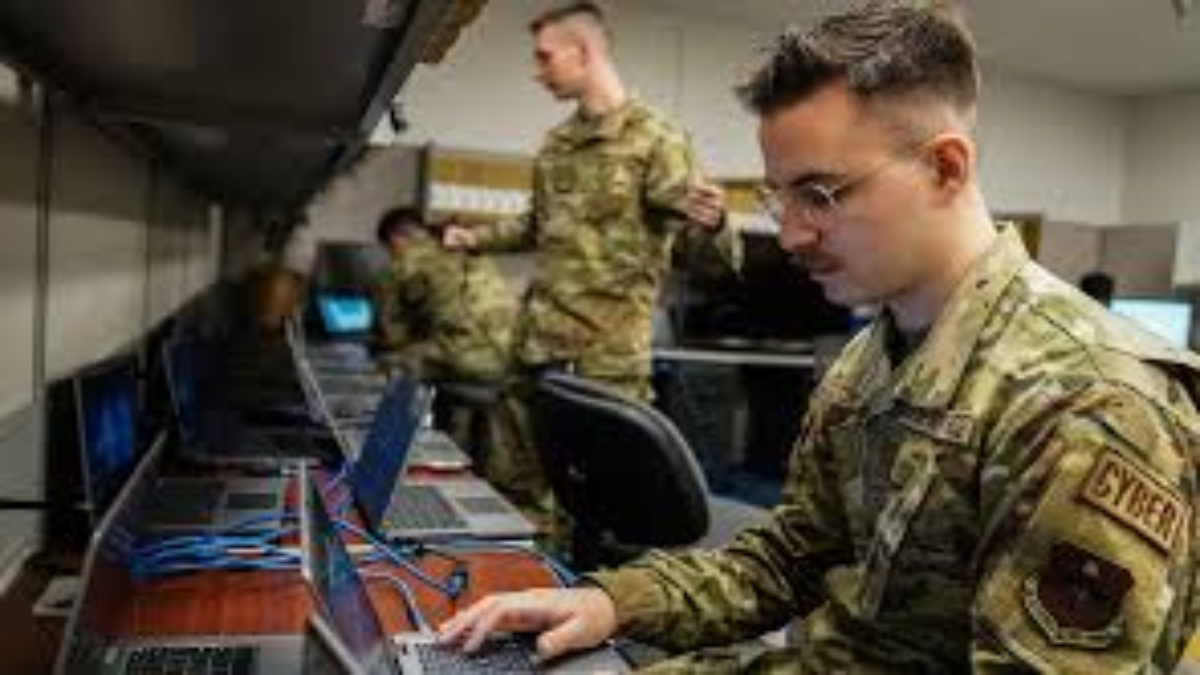
Cyber security is now one of the most important parts of modern warfare. Every military branch protects networks, data, satellites, weapons systems, and national secrets.
If you want to join the armed forces for a cyber career, you may ask: what is the best military branch for cyber security? The answer depends on your goals, skills, and long-term plans.
All major branches of the United States military offer strong cyber programs. The United States Army, United States Navy, United States Air Force, and United States Space Force all train cyber specialists.
These roles include cyber defense, network security, digital forensics, ethical hacking, and cyber operations.The best branch for you depends on the type of work you prefer.
Some branches focus more on land systems, others on sea, air, or space. Each branch also offers different bases, deployments, and promotion paths.
In this article, we will compare each branch, answer common questions, and help you choose the right path for a cyber security career.
Best Military Branch for Cyber Security – Full Comparison
When discussing the best military branch for cyber security, it is important to compare training, missions, pay, and career growth. All branches are part of U.S. Cyber Command, but their focus areas are different.
The Army cyber security program focuses on ground operations and global missions. Army cyber specialists protect military networks and may support combat units. The Navy cyber security teams protect ships, submarines, and naval systems.
The Air Force cyber security units defend aircraft systems, communication networks, and air operations. The Space Force cyber security mission protects satellites and space systems.
Training is strong in all branches. You receive technical education, certifications, and real-world experience. Many service members earn certifications like Security+, CEH, and CISSP while serving.
If you search online forums like “best military branch for cyber security reddit” or “cybersecurity military reddit,” you will see mixed opinions. Some prefer the Air Force for work-life balance.
Others prefer the Army for faster promotion. Space Force is new but highly focused on advanced technology.The best choice depends on your career goals, lifestyle preference, and interest in land, sea, air, or space missions.
Army Cyber Security
The United States Army offers strong cyber career paths under its Cyber Corps. Army cyber specialists work in offensive and defensive cyber operations. They defend systems and also conduct cyber missions when needed.
Many people ask: where do army cyber security get stationed? Army cyber units are often based in major cyber hubs like Fort Gordon (Georgia), Fort Meade (Maryland), and other strategic locations. These bases support national-level cyber missions.
Army cyber jobs provide hands-on experience. Soldiers may work in network defense, cyber intelligence, or cyber warfare operations. The Army often offers sign-on bonuses and education benefits. Promotion can also be faster compared to some other branches.
If you want leadership opportunities and large-scale cyber missions, Army cyber security is a strong choice. It is ideal for those who want action, teamwork, and long-term military growth.
Navy Cyber Security
The United States Navy also has a powerful cyber program. Navy cyber security focuses on protecting ships, submarines, aircraft carriers, and naval communication systems.
Navy cyber security professionals may work on land or at sea. Some roles are shore-based, while others support fleet operations. The Navy also works closely with intelligence agencies.
A benefit of Navy cyber security is global exposure. You may travel to different countries and naval bases. This can give you unique operational experience.
The Navy invests heavily in cyber defense because modern ships depend on digital systems. If those systems fail, missions fail. That is why cyber protection is critical.
If you like technology and are open to travel, Navy cyber security can be a great option. It combines technical skills with global operations.
Air Force Cyber Security
The United States Air Force is often considered by many as the best branch for cyber security. Air Force cyber security focuses on communication systems, aircraft networks, and air defense systems.
Many online discussions about “airforce cyber security” highlight better work-life balance compared to other branches. The Air Force is known for strong technical training and comfortable base facilities.
Air Force cyber specialists protect radar systems, command centers, and secure communications. They also support joint cyber missions.Another advantage is strong career transition.
Many Air Force cyber veterans move into high-paying civilian jobs in cyber security, IT, and defense contracting.If you want strong technical training, good quality of life, and clear career growth, the Air Force is a top choice.
Space Force Cyber Security
The United States Space Force is the newest branch and focuses on space systems. Space Force cyber security protects satellites, GPS systems, and space-based communication networks.
Space force cyber security is highly technical. It focuses on advanced systems and digital protection of space assets. Since satellites support navigation, banking, and defense, cyber protection is critical.
Because it is a smaller branch, competition may be higher. However, training is advanced and focused. Space Force is ideal for people interested in cutting-edge technology and space missions.
If your goal is to work on high-tech systems and future warfare domains, Space Force cyber roles are very promising.
What Branch of the Military Handles Cyber Security?
All major branches handle cyber security. They operate under U.S. Cyber Command but have separate units. The Army, Navy, Air Force, and Space Force all train cyber professionals.
There is no single “cyber force military branch.” Instead, cyber is a shared mission across services. Each branch protects its own systems while supporting national defense.
If you want land-based cyber operations, the Army is strong. For sea operations, choose Navy. For air systems, choose Air Force. For space systems, choose Space Force.The mission is shared, but the environment differs.
Which Military Branch Pays the Most for Cyber Security?
Military base pay is mostly the same across branches because it depends on rank and years of service. However, bonuses and special pay can differ.Some branches may offer higher enlistment bonuses for cyber roles.
The Army and Air Force often provide competitive incentives.Long term, the biggest financial benefit comes after service. Cyber veterans from all branches can earn high salaries in the private sector.
Experience matters more than branch name.So technically, no branch always pays more. Rank, experience, and certifications matter most.
What’s the Best Branch for Cyber Security?
The best branch for cyber security depends on your goals.
If you want leadership and ground missions, choose Army cyber security.
If you want global naval exposure, choose Navy cyber security.
If you want work-life balance and strong technical growth, Air Force cyber security is often preferred.
If you want advanced space systems, Space Force cyber security is exciting.
Online discussions like “best military branch for cyber security reddit” show different opinions. There is no single correct answer.Choose the branch that matches your lifestyle, interest, and long-term plan.
Conclusion
The best military branch for cyber security depends on what kind of mission and life you want. All branches offer strong training, real-world experience, and career growth.
Army focuses on land operations. Navy protects sea systems. Air Force defends air networks. Space Force secures satellites and space systems.
If your goal is long-term cyber success, any branch can help you build strong skills. Focus on training, certifications, and experience. That matters more than the branch name.
